Is your car starting to make a weird noise? Maybe it’s a squeal, a clunk, or a groan that sounds suspiciously like your wallet crying for help. The big question is whether you’re looking at a simple fix or a full-blown part replacement. Making the right call is key to keeping your vehicle running without breaking the bank. Deciding when to repair or replace your car parts often feels like a guessing game, but a few key factors can clear things up.
Check the Price Tag
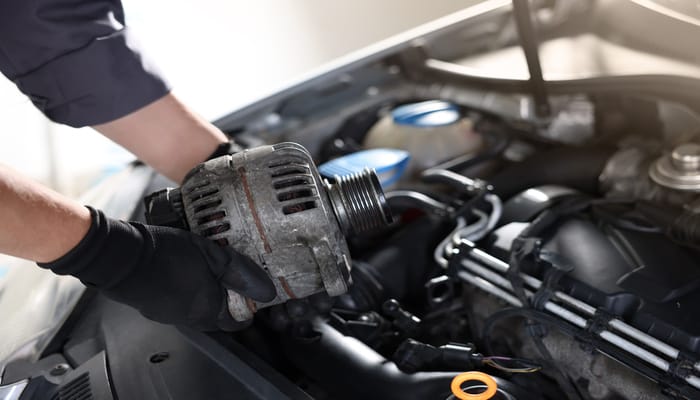
The most straightforward factor is cost. Get quotes for both a repair and a replacement. If repairing a part, like an alternator, costs nearly as much as a brand-new one, replacing it is the smarter long-term move. A new part often comes with a warranty, giving you peace of mind that a repaired component can’t.
Consider the Part’s Age and Condition
How old is the troublesome part? Components like belts and hoses have a finite lifespan. If a belt is cracked and frayed, repairing it isn’t an option. Similarly, if a major component, such as a transmission, shows significant wear after many years, a simple repair might just be a temporary fix before a larger failure occurs. Age and overall condition are major clues.
Safety First, Always
Some parts are too critical to risk repairing. Brake components, steering linkage, and suspension parts fall squarely into this category. If a mechanic suggests repairing a cracked brake rotor, you should probably find a new mechanic. When safety is on the line, replacement is always the correct answer.
Consider Performance Upgrades
Not every decision comes down to repair versus replacement. Sometimes it’s worth asking if an upgrade could serve you best. Performance parts improve durability, efficiency, and even driving enjoyment. For instance, enthusiasts often look at specific brands when upgrading—such as choosing aftermarket Subaru performance parts—but the same approach applies no matter what you drive. Thinking about upgrades ensures your car is maintained while also tailored to your needs.
The final call depends on the factors above, but you don’t have to make it alone. A reliable mechanic can guide you through the options and highlight what makes the most sense for your vehicle. By weighing your options, you’ll know exactly when to repair or replace your car parts and keep your car performing at its best.