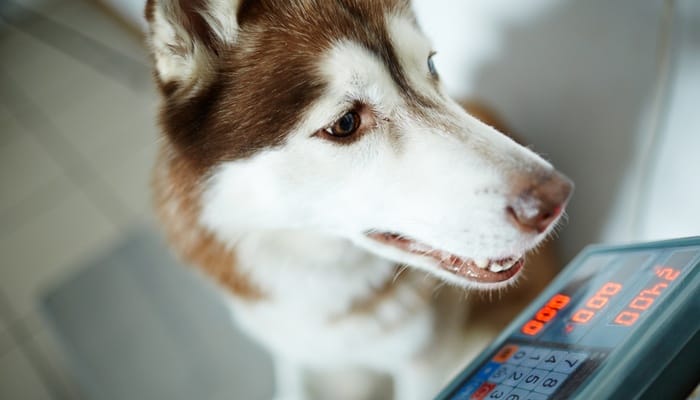
We’ve all been there. You walk into the clinic lobby, your dog takes one look at the silver metal square on the floor, and suddenly turns into a statue. Or perhaps your cat decides the scale is lava and claws your shoulder to shreds. Getting an accurate weight is important for your pet’s health, but the process often feels more like a wrestling match than a medical checkup.
You don’t need to stress, though. With a few simple tricks and a bit of preparation, you can help your pet get weighed at the vet without the added WWE match.
Start the Training at Home
The work actually begins before you even leave your house. If your pet only encounters a scale at the vet, they will associate it with poking, prodding, and shots. You want to change that association. Practice asking your dog to stand on strange surfaces at home. Use a flattened cardboard box, a yoga mat, or even a baking sheet for smaller pets.
When they step on the object with all four paws, reward them heavily. You want them to think that stepping onto a defined square results in a jackpot of praise. This builds their confidence and teaches them that strange floor objects are nothing to fear.
The Art of Bribery
Never underestimate the power of a high-value snack. When you head to the clinic, bring their absolute favorite treat—something better than the dry kibble they eat every day. String cheese, boiled chicken, or freeze-dried liver usually works wonders.
Lure them onto the platform with the treat right in front of their nose. Keep their focus on the food, not the ground beneath them. If they hesitate, do not force them. Patience pays off here. Let them sniff the scale, put one paw on, and retreat if they need to. Then try again.
Mastering the Weigh-In
Once you arrive at the clinic, take a deep breath. Your pet picks up on your anxiety immediately. If you act nervous, they will assume there is a reason to be afraid. For larger dogs, walk them onto the platform confidently. Do not stop and stare at the scale. Just walk across it a few times first if the lobby is empty.
We need the numbers to be precise because doctors rely on veterinary floor scale accuracy to determine proper medication dosages and monitor health trends. If your pet wiggles too much, the reading might jump around, so keeping them still with a firm “sit” or “stay” command helps the staff get the number they need quickly.
Troubleshooting Common Issues
Sometimes, despite your best efforts, your furry friend just refuses to cooperate. The lobby is sometimes loud, chaotic, and full of strange smells. If the main scale is just too scary, try these alternatives:
- Ask for a Private Room: Many clinics have smaller scales in the exam rooms where it’s quieter and less distracting.
- Use the “Hold and Subtract” Method: If you have a cat or small dog, hold them in your arms while you step on the scale, then weigh yourself alone and do the math.
- Bring a Towel: The cold, slippery metal surface often freaks pets out. Placing a familiar towel or a rubber yoga mat over the scale gives them traction and makes it feel less alien.
Consistent vet weight checks help you catch health issues early, so conquering the scale is a necessary skill for your pet. Keep your energy calm, use plenty of rewards, and advocate for your pet if they seem overwhelmed. With a little practice, your pet might even start looking forward to the trip. Okay, maybe they won’t love it, but they definitely won’t hate it quite as much.