Wellness doesn’t always come from rigid routines or self-improvement plans that last two weeks. Sometimes it starts with curiosity.
The sheer act of trying a new activity can quietly support both your mental and physical health, especially when daily life feels predictable. Read on to learn about the five personal wins that come from trying a new hobby. You’ll discover how they can do more than help you pass the time.
Your Brain Gets a Legitimate Workout
When you start a new hobby, you often must learn about things you are not familiar with, which forces your brain to form new connections. That’s good news for cognitive health, memory, and focus—especially in adulthood, when routines tend to dominate.
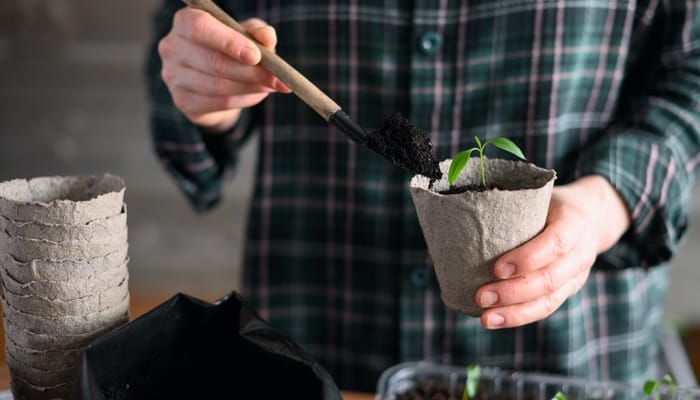
For example, if you decide to start raising vegetables inside your house, you may have to learn about a range of LED grow light terms that will actively challenge your mind. Even reading through educational resources can support mental engagement by expanding conceptual understanding.
Stress Becomes Easier to Shake Off
Another personal win that comes from trying a new hobby is that you experience stress relief. Hobbies create mental buffers and direct your attention toward an enjoyable task. This kind of focused engagement can help regulate stress levels and improve mood, particularly after long workdays or information overload.
Confidence and Self-Assurance Grow
Starting something new almost always involves uncertainty, and pushing through that discomfort builds self-assurance. As your skills improve, even gradually, your confidence grows—not just in the hobby itself, but in your ability to handle unfamiliar situations. That sense of competence can carry into work, relationships, and daily decision-making, reinforcing a healthier, more grounded sense of self.
Movement Happens More Naturally
Many hobbies encourage physical activity without labeling it as exercise. Hiking, recreational sports, dancing, or hands-on projects increase movement in a way that feels optional rather than obligatory. When movement is enjoyable, consistency follows.
Hobbies Make Socializing Feel Easier
Many hobbies come with built-in communities, whether that’s a local league, a class, an online group, or just a shared interest that sparks conversation. These low-pressure social interactions can reduce isolation and make it easier to connect without forcing small talk. Over time, hobbies can strengthen social confidence and help make everyday interactions feel more comfortable and natural.
These examples show how a new hobby can support brain health, emotional balance, and physical well-being simultaneously, while also making everyday life feel a little less repetitive. In the long run, the act of starting—more than mastering—can be enough to make everyday life feel more engaging and rewarding.