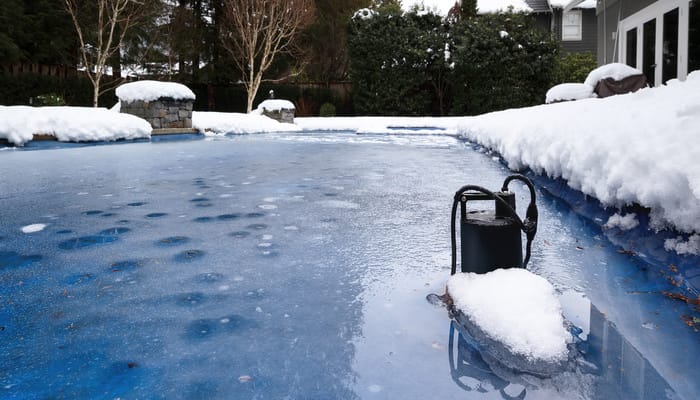
You might feel tempted to just throw a cover on the water and call it a day when the temperature drops. We get it because nobody likes doing extra chores in the cold. But you have to know what the risks of not properly winterizing a pool look like before you decide to skip steps. If you ignore the process, you open the door to some expensive repairs and messy cleanups come spring. Let’s look at what could happen if you aren’t careful.
Damage to Pool Lines and Plumbing
When water freezes, it expands. If you don’t clear the water from your pool’s plumbing lines, that expansion can cause them to crack or burst. This isn’t a small fix. Repairing underground pipes is a major job that requires digging up your yard and can cost a small fortune. Properly blowing out the lines and plugging them as part of winterization protects your entire plumbing system from ice damage.
A Cracked Pool Skimmer
Your pool’s skimmers are another vulnerable spot. They’re made of plastic and can easily crack if water is left inside to freeze. Just like with the plumbing lines, the expanding ice puts immense pressure on the skimmer’s walls. Replacing a cracked skimmer is an involved repair that often requires breaking into the concrete deck around it. It’s an expensive and avoidable repair that proper winterization prevents.
Harm to Your Pool Pump and Filter
Your pool equipment, like the pump and filter, isn’t designed to handle freezing temperatures with water still inside. A pump with trapped water can develop a cracked housing, and a filter tank can split right open when the water freezes. These are some of the most expensive components of your pool’s circulation system. Draining them completely before the first freeze is an important step if you want to prevent these costly repairs and extend the life of your equipment.
Stubborn Stains
Stains often develop along the pool’s walls and floor during the winter months, usually caused by organic debris like leaves and twigs that sit on the surface or sink to the bottom. How do you prevent them or treat them if they occur? You can prevent them with proper winterization—before you close your pool for the season, thoroughly clean it and remove all debris. If you don’t, you’ll have to treat them come spring by physically scrubbing the stains and using special stain-removing chemicals.
A Fresh Start for Spring
Taking the time to close the pool correctly saves you from these problems. You want to swim when the sun comes out, not spend weeks on repairs. Now that you know what the risks of not properly winterizing a pool are, you can make the right choice. Protect your investment now so you can enjoy it later.